

One of the biggest traps leaders fall into is the Blame/Shift/Trap. It’s the natural reflex to blame external circumstances, shift responsibility to someone else, and ultimately trap yourself in a cycle of excuses and inaction. Here’s the hard truth: nobody is coming to save your ass. The only way out of this trap is to take radical ownership of your life, your leadership, and your results.
Here are some examples I see commonly with the blame game…
“The supplier didn’t deliver the materials on time, so we couldn’t finish the project.”
The Truth: Did you follow up with the supplier in advance? Did you have a backup plan for delays?
“The client is just being unreasonable — they expect way too much for what they’re paying us.”
The Truth: Did you set clear expectations from the start of the contract? Did you overpromise or fail to communicate effectively?
“My team isn’t skilled enough to handle these jobs. They keep making mistakes.”
The Truth: Have you invested in proper training? Are your instructions clear and actionable? Are you selling services your team is capable of performing?
Blaming others is easy. Whether it’s a struggling employee, a tough client, or the economy, pointing the finger lets us off the hook—temporarily. But blame doesn’t fix anything. It just distracts from the real issue: your own responsibility.
As a leader, the moment you blame others, you have completely lost control. When you say, “This isn’t my fault,” what you’re really saying is, “This isn’t my responsibility to fix.” That mindset keeps you powerless. Leaders don’t have the luxury of excuses – we have the duty to find solutions.
Shifting Responsibility – What do I mean by Shift?
Another common response in the trap is shifting responsibility. It sounds like this:
“If my team would just step up, we wouldn’t have these problems.”
“I told them what to do; it’s not my fault they didn’t listen.”
Sure, accountability matters, but here’s the catch: as the leader, the buck always stops with you. If your team isn’t performing, it’s on you to coach them, train them, and create clarity around expectations. Leadership is about building people up, not writing them off.
Here are some Shift examples…
“I told the crew leader to handle it. It’s their fault the client isn’t happy.”
The Truth: Did you inspect the work? Did you ensure the crew leader was clear on expectations and standards?
“The mower operator should’ve noticed the blades were dull—that’s why the lawn looks bad.”
The Truth: Do you have a system in place to check and maintain equipment regularly? Even up to when the crews roll out?
“Sales aren’t where they need to be because our sales personnel aren’t closing enough deals.”
The Truth: Are your pricing structures competitive with your market? Are you providing the account manager with enough support and leads? Do you have a defined sales process and flow in place?
One of the most common emails I get from leaders all across the country is how they feel stuck. Or they feel “burned out”. Which feeling stuck and burning out kind of goes hand-in-hand.
Blaming and shifting responsibility may feel like relief in the moment, but it’s a trap.
It keeps you stuck exactly where you are, waiting for external circumstances to
change or someone else to save the day. Here’s the thing about excuses: they feel like protection, but they’re actually prison bars. The longer you lean on them, the harder it is to break free. Excuses steal your growth and block your progress.
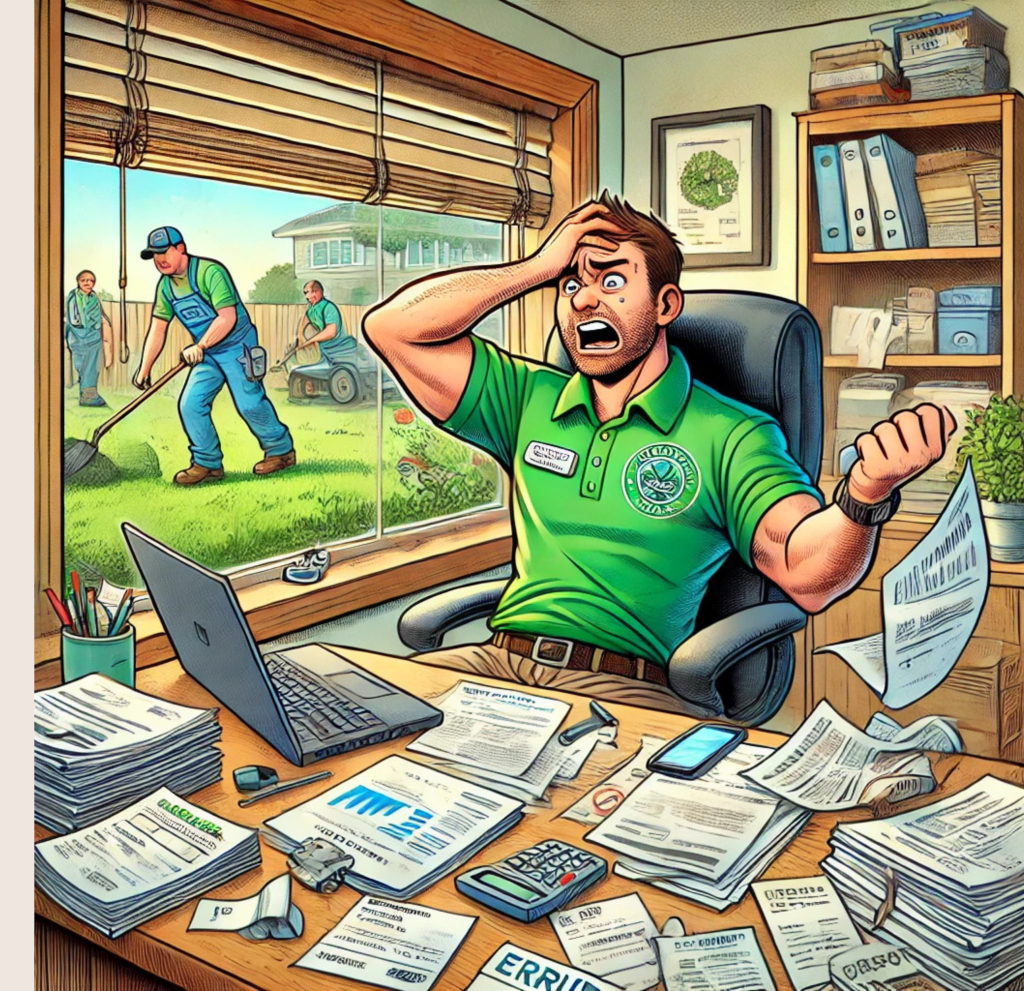
This trap is also what keeps leaders leading in a small capacity. When you focus on blaming and shifting, you lose sight of the bigger picture. You stay stuck in day-to-day firefighting instead of growing your vision or scaling your impact. Leaders who stay small often let excuses shape their leadership instead of stepping into the full responsibility of growth and scalability. You can’t lead a big vision with a small mindset.
We are all friends here. Let’s get real for a second: Nobody is coming to save you. Not your team, not your clients, not the market, and not some future version of yourself that magically has it all figured out. If you’re waiting for a perfect solution to show up, you’ll be waiting forever. The only person who can change your situation is staring at you in the mirror.
The antidote to the Blame/Shift/Trap is complete and full ownership. That means taking full responsibility for your results – good or bad. It’s not about beating yourself up or carrying the weight of the world on your shoulders. It’s about recognizing that while you can’t control everything, you can always control how you respond.
Ownership looks like this…
Instead of blaming your team, ask, “How can I lead them better?”
Instead of shifting responsibility, ask, “What role did I play in this?”
Instead of making excuses, ask, “What’s the next step I can take to fix this?”
Ownership unlocks growth, not just for you but for everyone you lead. It’s the difference between being stuck managing small problems and stepping into the capacity to lead at a higher level. At the end of the day, excuses don’t change outcomes. Action does. You can spend all day justifying why things went wrong, or you can focus that energy on doing something about it. The choice is yours.
Leadership isn’t about perfection; it’s about progress. And progress starts when you stop waiting for someone to save you and start owning the path forward.
I’ll land the plane with this… Excuses are easy, but ownership wins! Say that to yourself a few times. Leaders who stay stuck in the Blame/Shift/Trap keep themselves leading small – putting out fires, making excuses, and hoping things will someday change. But leaders who take ownership break free from the trap and start creating the outcomes and the life they want.
You should actually celebrate that nobody’s coming to save you. That’s good news! Why? Because it means you already have everything you need to take control and grow into the leader you’re meant to be. So, stop blaming, stop shifting, and get out of the trap. The size of your leadership and the life you truly want depends on it.