
“Leaders think and talk about the solutions. Followers think and talk about the problems.” – Brian Tracy
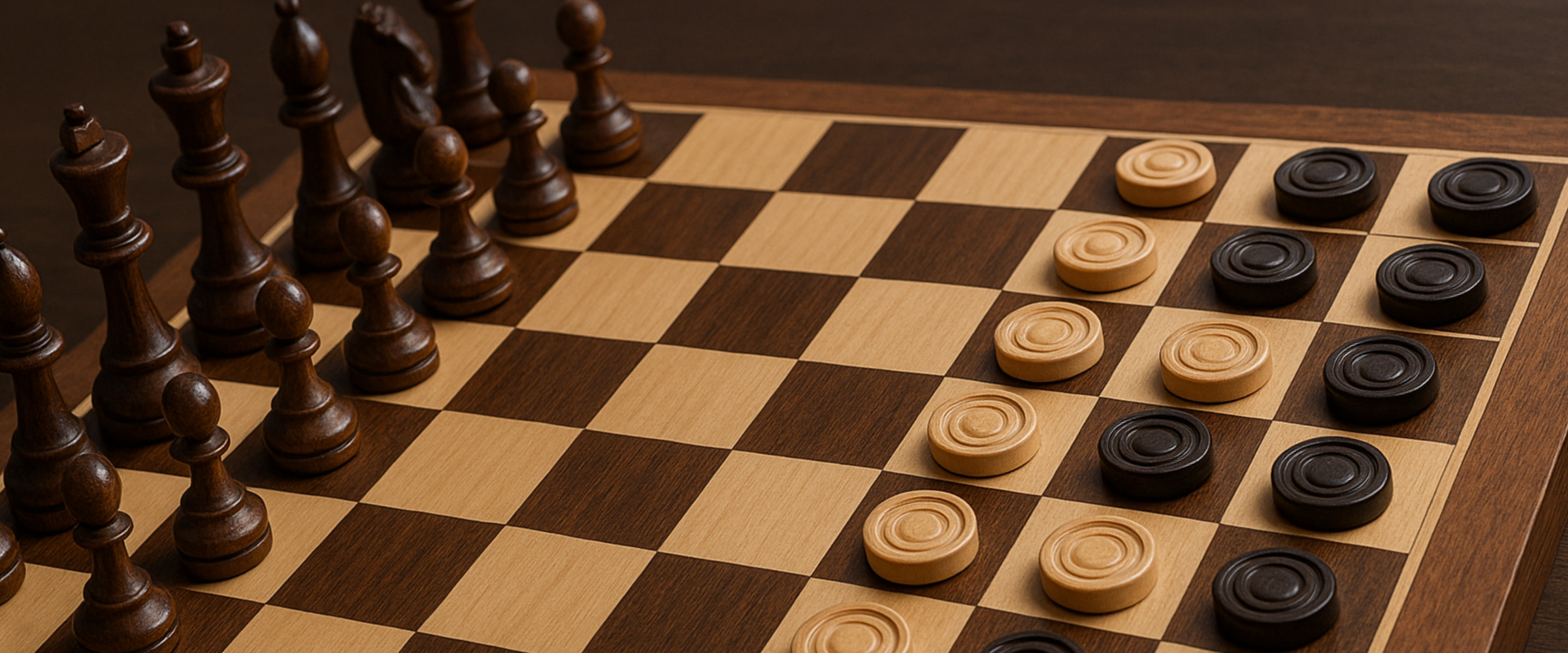
Many people run their organizations like a game of checkers. Every move is reactionary. Something happens, and they jump one square to respond. A crew member quits – scramble to fill the role with the first person they can find. A client complains – scramble to fix the issue. You are short on work – scramble to sell work as quickly as possible, without a pricing matrix in place. That’s checkers: fast, surface-level moves that don’t go very deep!
The best leaders play chess.
Chess is about strategy, foresight, and positioning. It’s about asking, “If I make this move now, what doors open – or close – three moves from now?”
“Strategy without tactics is the slowest route to victory. Tactics without strategy is the noise before defeat.” – Sun Tzu
I can be honest with y’all – there were times early in Atlas where I wasn’t playing chess at all. I was playing desperate checkers. I remember bidding jobs based solely on what my payroll was that week. If payroll was $15,000, I’d price projects to make sure $15,000 came in. No thought about margins. No thought about systems. Just trying to survive the week. That’s what checkers leadership looks like – reacting to the square right in front of you and hoping you can jump far enough to stay in the game.
Chess leaders don’t just think about the board – they think about the players. Every piece has a role, and when one is misplaced, the whole strategy suffers. In business, that’s culture. If your culture is toxic or reactionary, no strategy will save you. But when you align your people with purpose and vision, suddenly every piece moves with greater intention.
Chess leadership looks different. It means building systems so you hopefully don’t have to fight the same fire twice. It means thinking three moves ahead – hiring not just for today’s crew, but for tomorrow’s growth strategy!
One of the most painful parts of chess is sacrifice. Sometimes you lose a piece to set yourself up for a bigger win. Leadership is the same way. There are seasons where you have to say no to the “shiny opportunities”, let go of good people who don’t align, or even admit your own mistakes to clear the path forward. That’s not weakness – it’s strategy.
Checkers will keep you busy. You’ll always feel like you’re moving. But the truth is, you’re playing in 2D – always reacting, never building real advantage.
“The essence of strategy is choosing what not to do.” – Michael Porter
Chess forces you to slow down and think differently. The best chess players know the game is won long before the checkmate actually happens. They’re positioning people, anticipating challenges, and creating opportunities while others are still reacting to the last move.
Checkers moves feel quick and exciting, but often they lead nowhere. Chess looks slower, but every move builds momentum. In business, activity isn’t the same as progress. Filling your calendar with busy work feels like you’re “winning,” but it may just be a lot of checker jumps that don’t add up to anything.
So ask yourself this… Are you leading your organization with a checkerboard mindset or a chessboard mindset?
If every decision you make is only about surviving this week, you’ll never build a team or organization that thrives. Stop playing checkers with your future!