
“Discipline equals freedom.” – Jocko Willink
When I first heard Jocko say that, it stuck with me. At first, they seem almost contradictory. How can discipline create freedom? But the more I’ve reflected on them, the more I’ve realized they’re true in every area of life.
Discipline creates physical freedom.
Financial freedom.
Spiritual freedom.
And I believe it also creates something every leader desperately needs: the freedom to recover quickly when adversity strikes.
Over the past 4-6 weeks, my wife and I have started training longer for a 10-mile race we do every August. Running outside over the years has become more than just exercise for me – it’s become a classroom. Some of my best leadership lessons come when it’s just the road, an early morning, and some time to think.
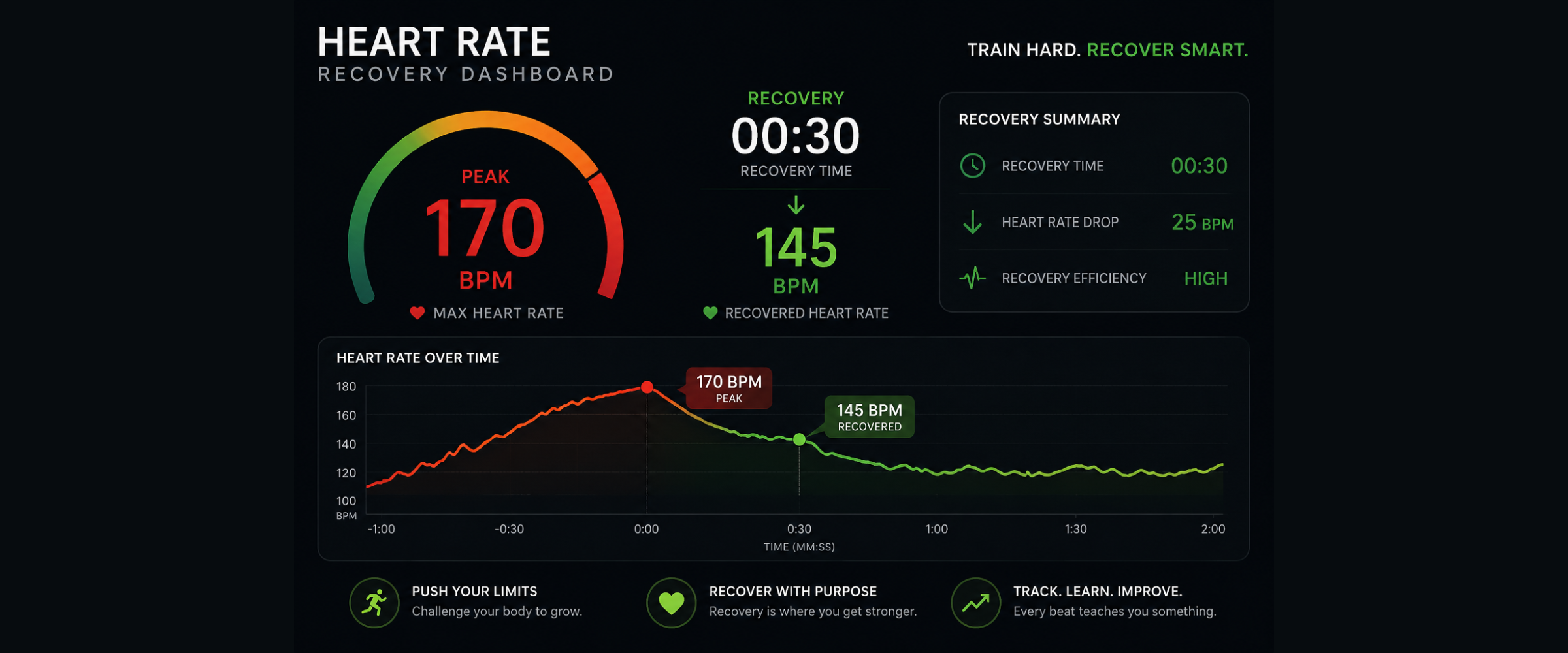
During one of my recent runs, I noticed something interesting. As my pace increased or I enter more hilly terrain, my heart rate climbed to around 170 beats per minute. That’s the point where I begin to feel it. My breathing gets heavier. Holding a conversation with Brandi becomes nearly impossible. My body is telling me I’ve entered a different level of exertion.
So I’ll slow to a walk for a brief moment. What’s fascinating isn’t that my heart rate gets that high – it’s how quickly it comes back down. Within about 30 seconds, I’m often back to 140–150 beats per minute, ready to run again. That recovery isn’t an accident. It’s the result of consistent training over time. My body has learned how to recover from stress more efficiently.
As I was thinking about that during my run, I couldn’t help but realize leadership works the exact same way.
Every leader experiences moments when their “leadership heart rate” spikes. A key employee quits unexpectedly. A customer calls with a major complaint. Cash flow gets tight. Equipment breaks down. A deal falls through. Someone criticizes your leadership. A family situation demands your attention while your business still needs you. NONE OF US are immune to those moments. If you’re leading anything of significance, your leadership heart rate is going to rise.
The mistake many leaders make is believing that great leaders don’t get stressed. That’s simply not true. Even the greatest leaders I’ve ever met carry enormous responsibility. They feel pressure. They experience disappointment. They face uncertainty. The difference isn’t that they avoid adversity. The difference is how quickly they recover from it.
Early in my leadership journey, one difficult conversation could derail my entire day. Losing a customer might consume my thoughts for a week. An unexpected problem would steal my focus from everything else that mattered. Looking back, it wasn’t the adversity that held me back, it was the amount of time I allowed adversity to own my attention.
Today, challenges still come. Hard conversations still happen. Unexpected problems still find their way directly onto my calendar. But I’ve noticed something has changed over the years. My recovery time has become much shorter. I process it. I learn from it. I make the decision that needs to be made. Then I get back to leading.
Nelson Mandela once said, “I never lose. I either win or learn.”
That mindset is the heartbeat of resilient leadership. Leaders with a high Leadership VO2 Max don’t waste energy asking, “Why did this have to happen to me?” They ask, “What is this teaching me?” Every setback becomes a lesson. Every challenge becomes another opportunity to grow stronger.
That’s leadership conditioning.
Just like an athlete develops the ability to recover faster through consistent training, leaders develop resilience by repeatedly walking through difficult situations without quitting. Every uncomfortable conversation, every setback, every disappointment, every crisis, and every failure becomes another training session. You are either increasing your Leadership VO2 Max or decreasing it depending on how you respond.
The best leaders in the world aren’t the ones who have had easy careers. They’re the ones who have been tested over and over again and have developed the ability to return to the mission quickly. They don’t pretend problems don’t exist. They simply refuse to let those problems occupy more space in their minds than necessary. That’s where discipline shows up. Discipline over your emotions. Discipline over your thoughts. Discipline over your responses. As Jocko reminds us, discipline truly does create freedom – the freedom to lead instead of react.
So here’s a question worth asking yourself: How long does it take you to recover?
Not from a workout. From criticism. From disappointment. From failure. From a difficult employee. From a lost customer. From a stressful week.
Because leadership maturity isn’t measured by whether your heart rate goes up. It’s measured by how quickly you recover, refocus, and return to the mission.
Vince Lombardi famously said, “It’s not whether you get knocked down, it’s whether you get up.”
I’d take that one step further. In leadership, it’s not just whether you get back up – it’s how quickly you’re able to regain your footing, refocus your mind, and get back to serving your team. Your recovery time is often what separates average leaders from exceptional ones.
Life will continue to elevate your leadership heart rate. That’s just unavoidable. The goal isn’t to eliminate pressure. The goal is to build the capacity to move through it with confidence and recover faster than you did yesterday.
1. Train your body.
2. Train your mind.
3. Train your leadership.
Because the future belongs to leaders who don’t stay down for long.